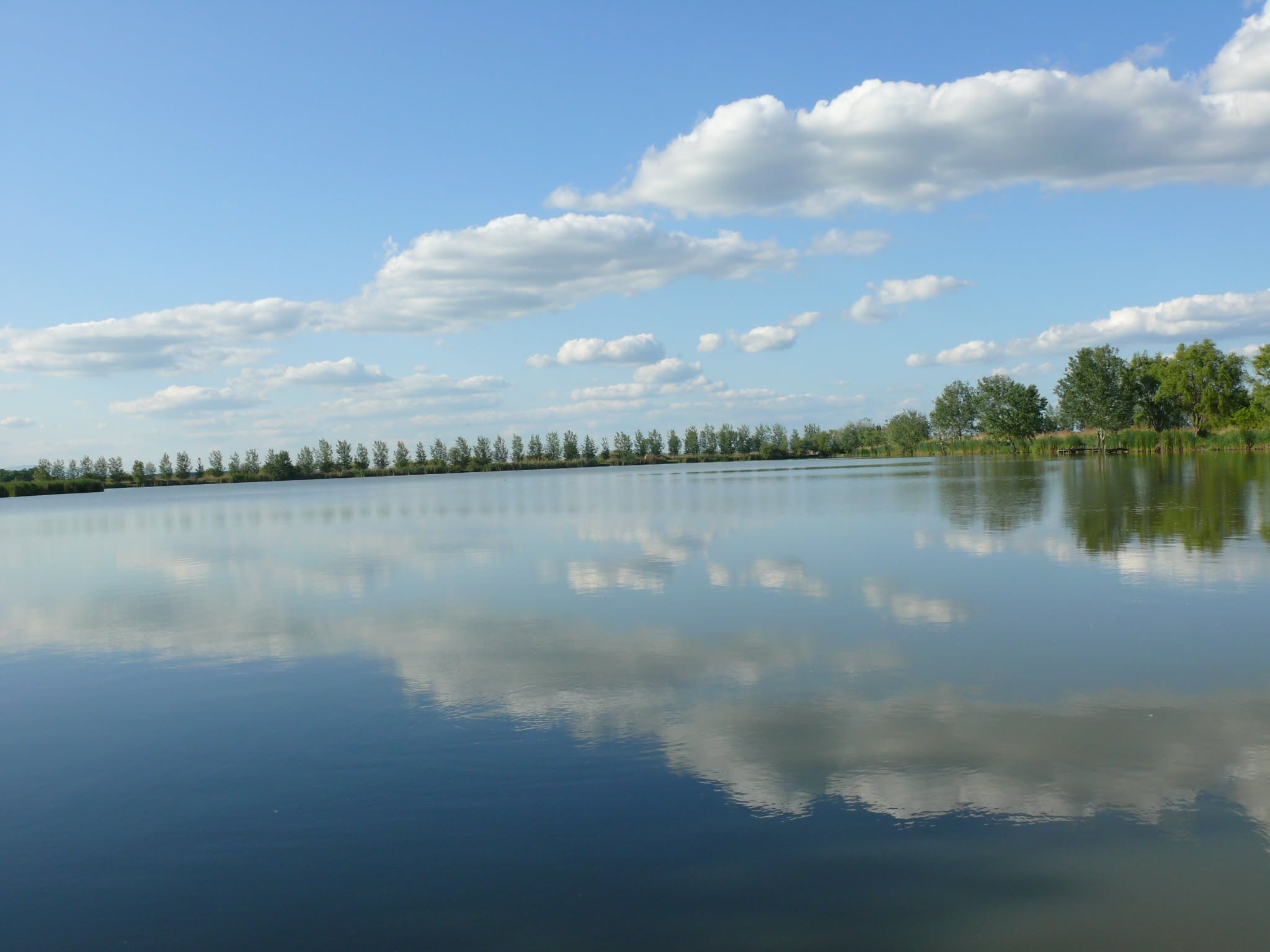
Our Fish Farm
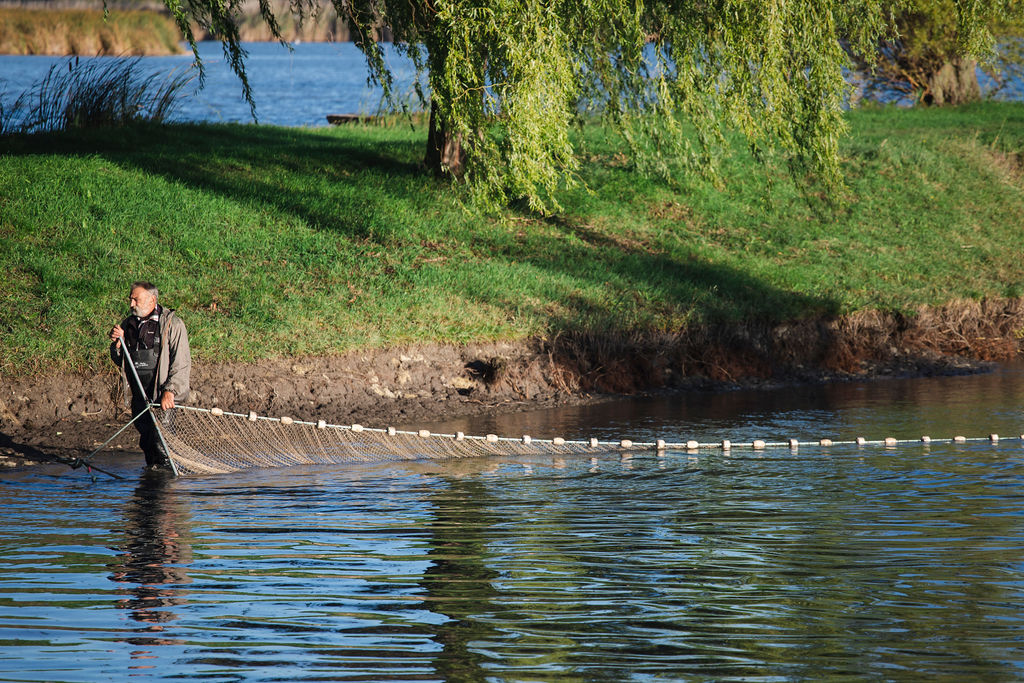
Our farm spans 181 hectares, of which the usable water surface is 165 hectares. We operate a 3-year production cycle across the 7 production ponds located on the site.
Guaranteed Safety and Health
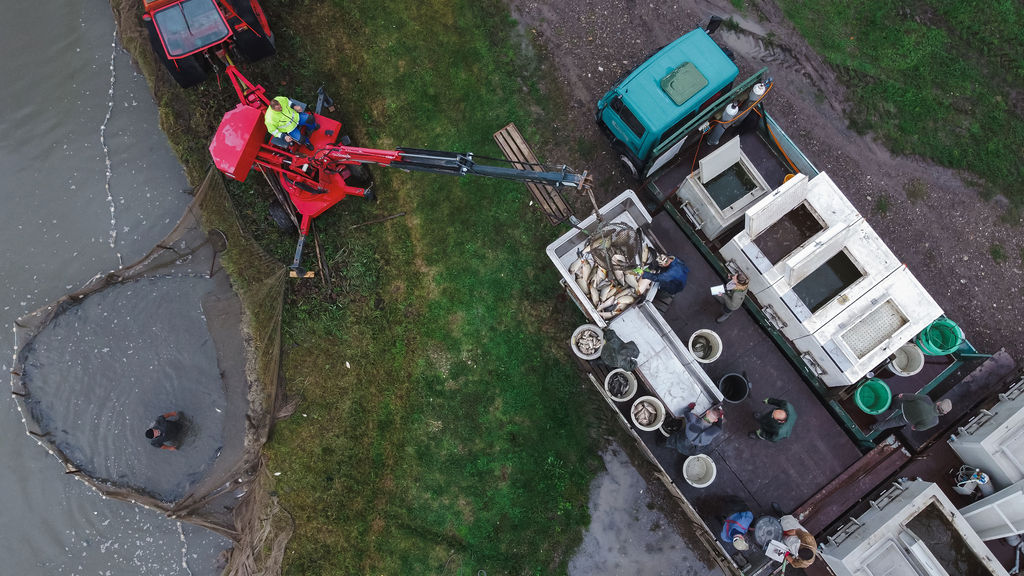
After purchasing the fry, we work exclusively with our own breeding stock until market size is reached. This closed system is our greatest safety guarantee: it allows us to filter out external infections and diseases, ensuring a completely healthy fish stock.
Our Main Species and Sales
Our main fish: Carp
Our secondary species: Grass Carp and Catfish
To us, every customer is equally important regardless of scale. We provide excellent quality live fish to:
- Traders and processors
- Fish farmers and angling associations
- As well as direct retail customers
Why the Carp?
The Story of the Carp – On Our Tables for Thousands of Years
The carp was part of the human diet long before the first Hungarian fish ponds were ever created. Its history winds through cultures, monasteries, and centuries, right up to today's Hungarian table.
A Thousand-Year Bond Between Humans and Carp
The natural habitats of the carp already overlapped with the territories of great civilizations in antiquity. Its dietary importance was recognized early on both in China and in the Roman Empire. Fishing also played an important role in the lives of our migrating ancestors, and archaeological findings suggest that carp may already have been part of the diet of the ancient Hungarians.
From Monastery Fish Ponds to European Tables
One of the most interesting chapters in the carp's European history is linked to medieval monasteries.
During Christian periods of fasting, fish was considered an important food, so monks began creating fish ponds and raising carp with increasing awareness.
The carp adapted well to pond environments, and so its cultivation gradually spread across Europe. By the Middle Ages, considerable knowledge had accumulated on how to successfully breed and raise it.
The Birth of Hungarian Carp Pond Farming
In Hungary, modern carp pond farming truly began to develop at the end of the 19th century.
Ottó Herman also played a defining role in this. He recognized that Hungary's climate and natural conditions created excellent opportunities for raising carp in pond farms.
In 1894, the first Hungarian carp pond farm was established in Simontornya, which became an important milestone in the history of Hungarian fish farming.
From Hungarian Knowledge to International Value
Following the Second World War, carp production and fish farming technology developed significantly worldwide.
Hungarian researchers and fish farming experts also played a pioneering role in this development, contributing their knowledge to the international advancement of modern carp farming.
..And the Story Continues Today
The carp, then, is far more than just an ingredient for Christmas fish soup.
It is a fish species that has lived alongside us for thousands of years, one that has survived the rise and fall of empires, fed our ancestors, swam in the ponds of medieval monasteries, and later became one of the most important fish of Hungarian pond farms.
When Hungarian-raised carp reaches our table today, it continues a centuries-old tradition of pond farming and gastronomy.